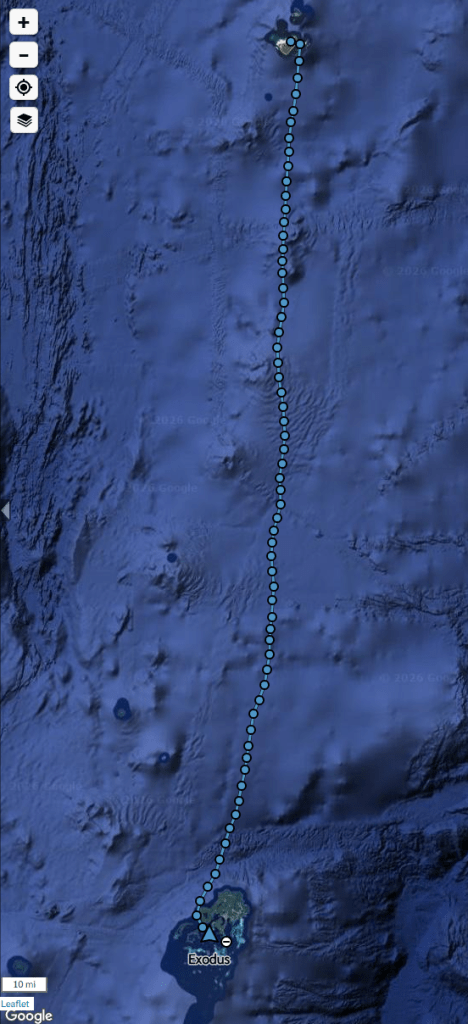
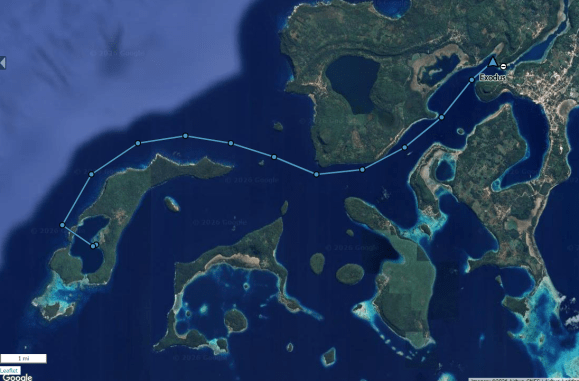
After a week in Niuatoputapu, we departed Sunday 15 May around 8am. It was another upwind, overnight passage, and we made it into Port Maurelle, and anchorage in Vava’u that we knew quite well just before 5pm the following evening. Overall, the passage was uneventful, and the only highlight written in the logbook was “caught and released barracuda.”
Passage Summary:
Duration 1 day 8:28 hours
Log miles 174 nmi, Avg speed 5.28 kt
Route miles 171 nmi, Avg VMG 5.19 kt
Track miles 173 nmi, Avg SOG 5.25 kt
Engines hours Port only 1:11, Both 1:28
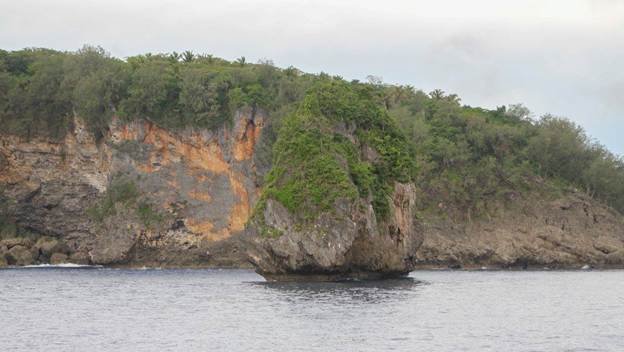
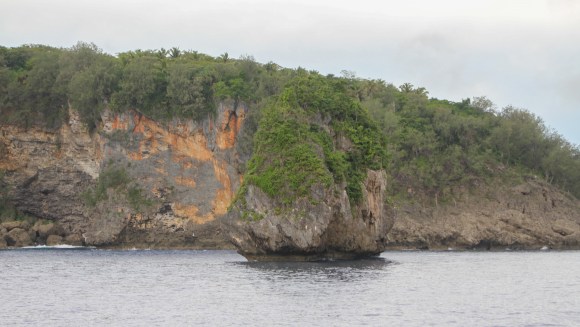
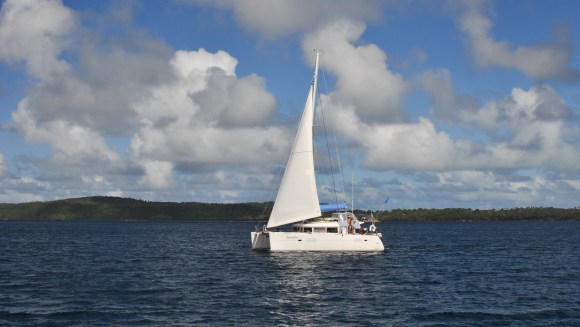
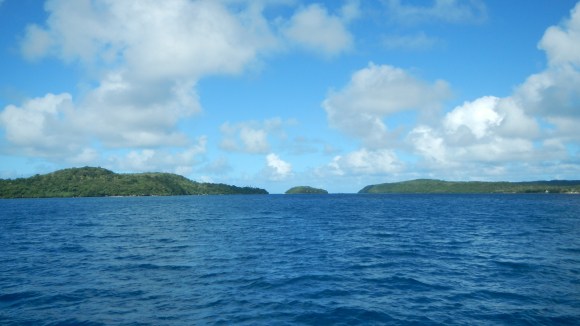
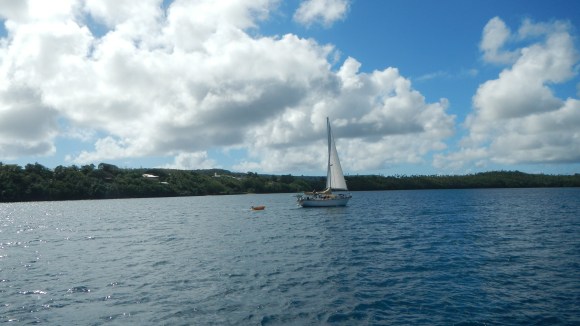
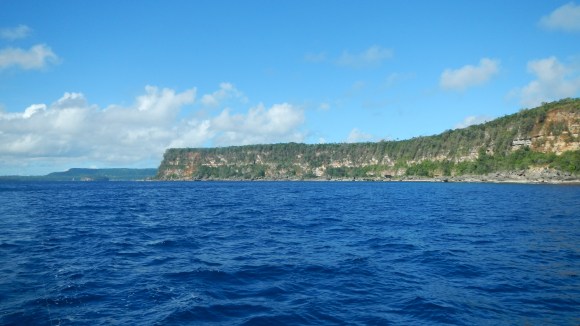
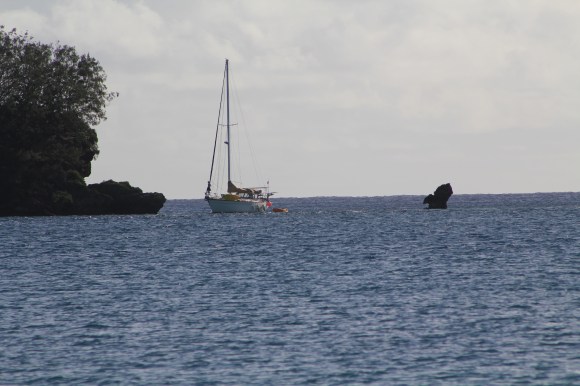
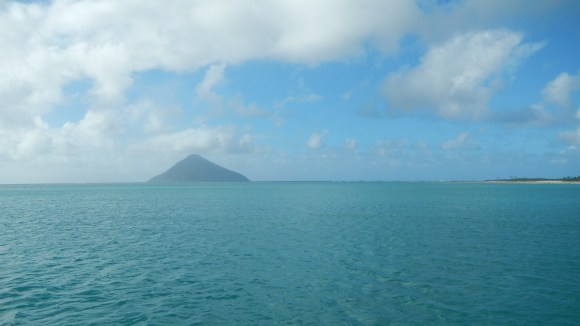
Passing the familiar “shark tooth rock” on our way into Vava’u
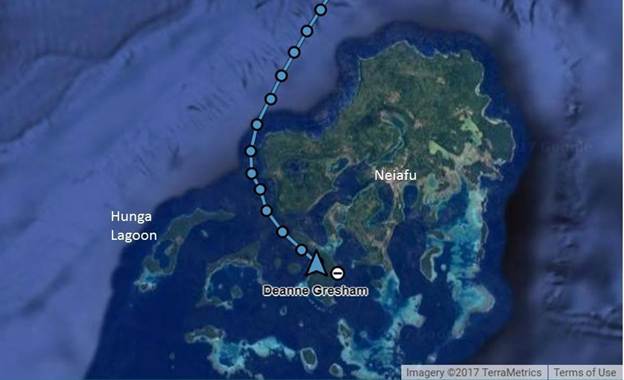
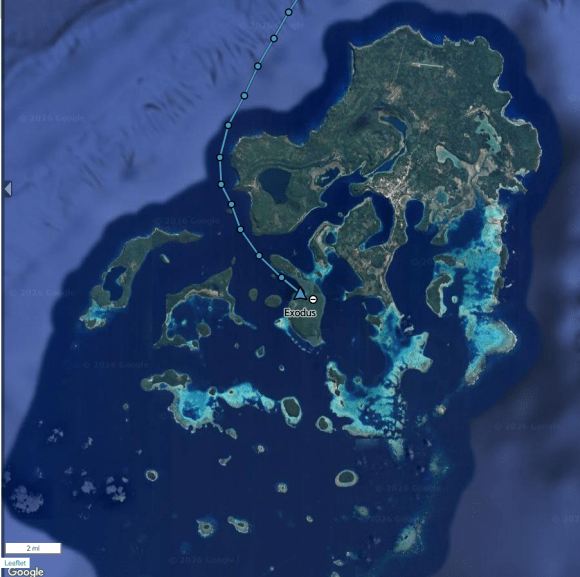
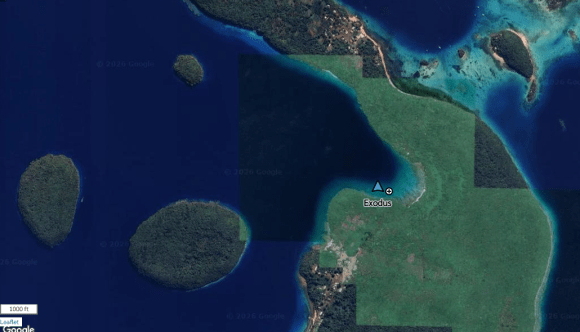
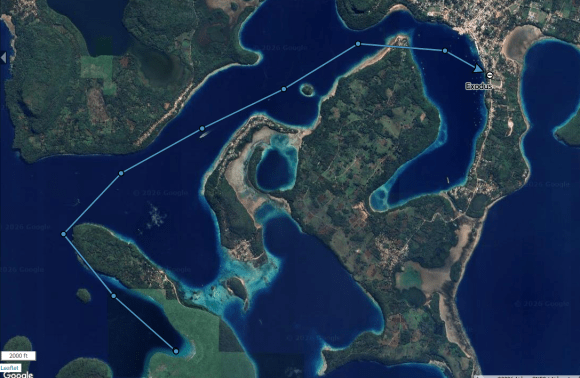
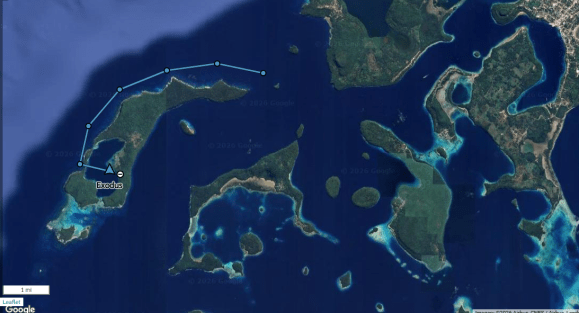
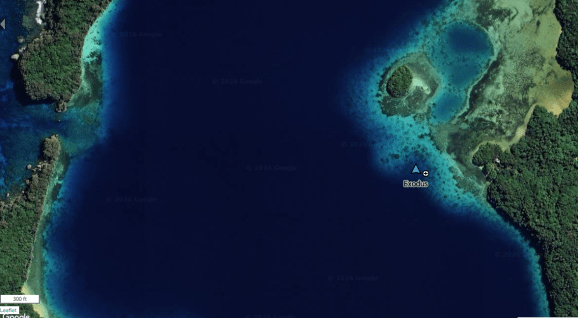
Our track into Vava’u to the Port Maurelle anchorage
There’s simply something comforting about returning to a familiar place. We spent almost two months in Vava’u, Tonga two years ago, and now we are here again, mostly because they have a new boatyard and we need to haul-out. But as you can see, we are enjoying ourselves quite a bit before heading to the yard.
Logbook – May 15, 2016 (Niuatoputapu to Vava’u)
Passage Log Highlights
0808 Engines on
0910 Engines off, main (1 reef) + genoa
1505 Main (1 reef) + genoa
1803 Main + genoa
Daily Notes
Caught & released a barracuda
Logbook – May 16, 2016 (Niuatoputapu to Vava’u)
Passage Log Highlights
0313 Main + genoa
0600 Main + genoa
0710 P engine on – batteries
0744 P engine off
0911 Main + genoa
1533 P engine on
1610 SB engine on
1636 Engines off Port Maurelle
Daily Notes
At Port Maurelle – A/B dinghied over to say hi to another kid boat, Del Viento
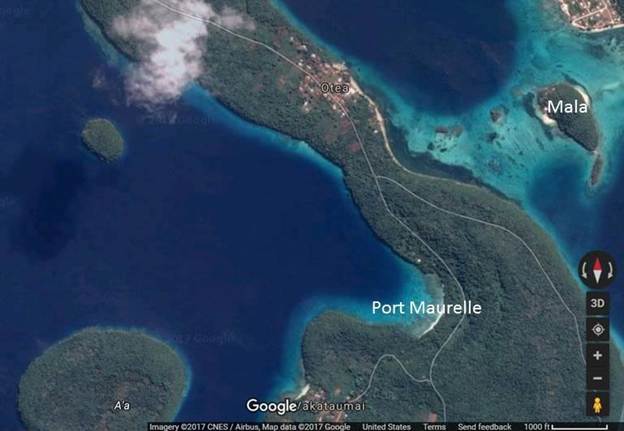
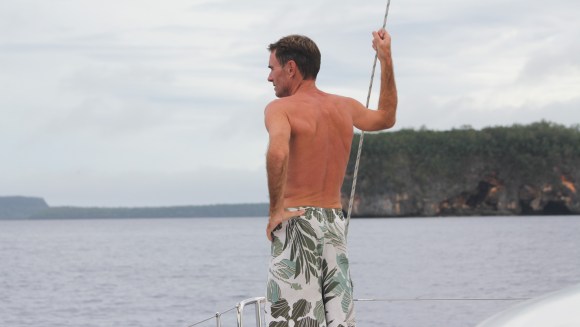
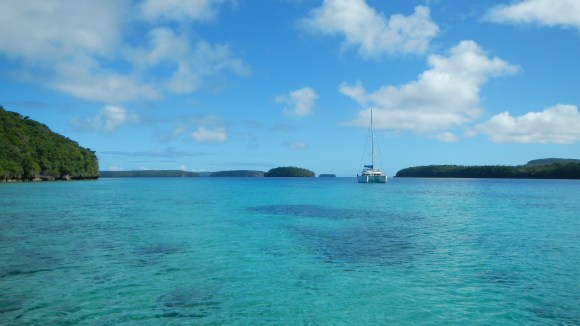
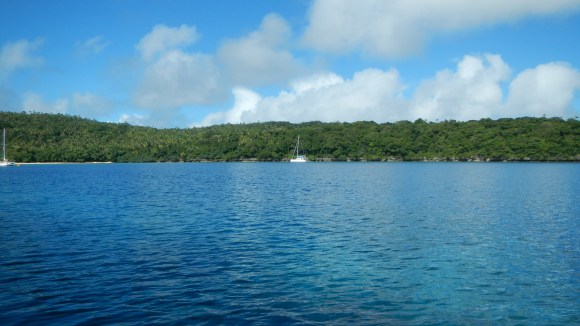
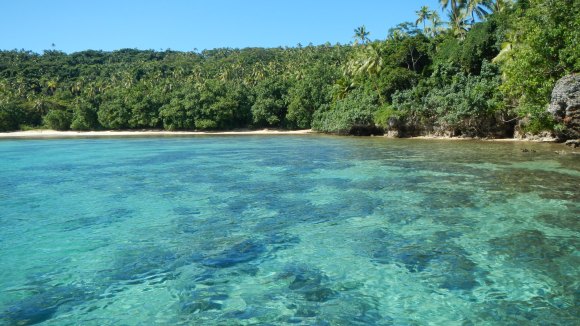
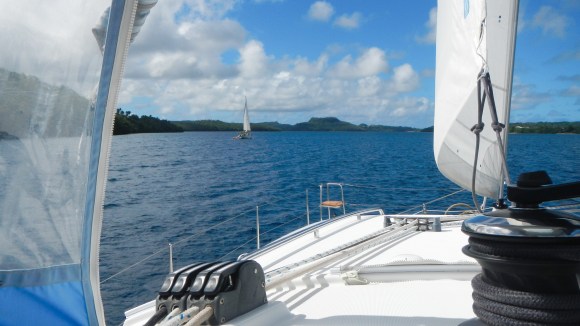
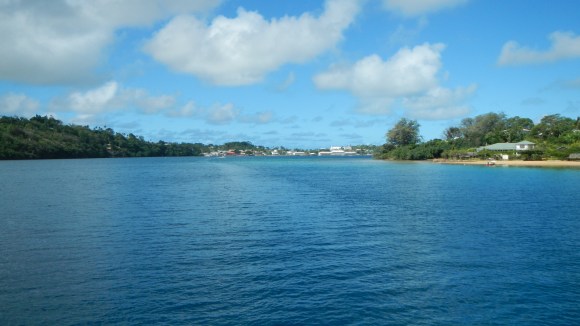
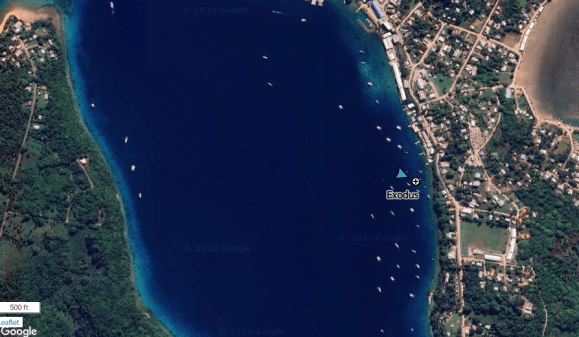
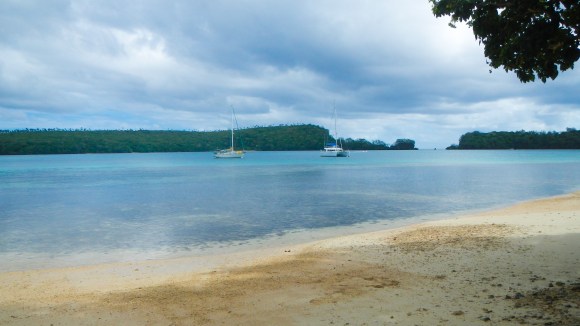
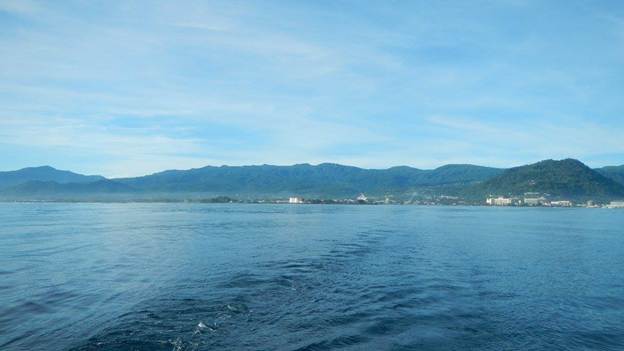
From Niuatoputapu to Vava’uThe familiar Vava’u Island Group – we headed straight to the familiar Port Maurelle anchorageThe captain keeping an eye out for whales or possibly tunaI’m not sure if this is really called “shark tooth rock” or if that’s just what Tim and Brenden call it. This is right at the main entrance to the Vava’u island group.Port Maurelle
Email to Family and Friends Dated May 16, 2016
Subject: Exodus – On passage to familiar territory
We departed Niuatoputapu yesterday morning and as far as upwind passages go, this one’s not so bad, as shown by the fact that I’m sitting at the computer and not laying in bed. (Although I did lay in bed most of the day yesterday) We’ve had light wind, 8-12 kts, so even though there is a 2-3 meter ground swell coming from the SE, the wind chop on top of it isn’t bad at all. We had some excitement in Niuatoputapu that I forgot to write about in that we almost lost the dinghy. The boys had gone to shore to help one of the ladies move something heavy (and also give her a fish head) and when they got back to the wharf it was dark and the dinghy was gone. According to Alex, he calmly scanned the horizon and spotted the dinghy almost even with Exodus, and in the meantime Brenden was freaking out. They started yelling, but Tim and I back on Exodus didn’t hear them, so they jumped in the water and swam like mad. Once they were able to get our attention, after running around and telling me to get out of the way, Tim dropped a paddle board and then Brenden hopped on it and raced out to catch the dinghy. The lagoon is not very big, and I’m not exaggerating when I say that just a few more minutes and the dinghy would have been over the reef and out in open ocean. Both boys had jellyfish stings from their swim and then of course blame had to be established. I won’t go into the whole blame thing here, but apparently someone else in our crew ties as bad a bowline as I do. (Seriously, three years out here and I still can’t tie knots!) Now we are headed to Vava’u, a familiar place for us after spending so much time there two years ago. It’s fantastic cruising grounds, and would be a great place for someone else to start their adventure, if you know anyone who might be interested in that… Love and miss you all, -D.
P.S. I wrote this earlier today, and we’ve since arrived safely at the Port Maurelle anchorage in Vava’u.
Logbook – May 17, 2016 (Port Maurelle)
Daily Notes
T/B – spearfish – shark tooth rock – no fish
Exodus happy hour with Del Viento
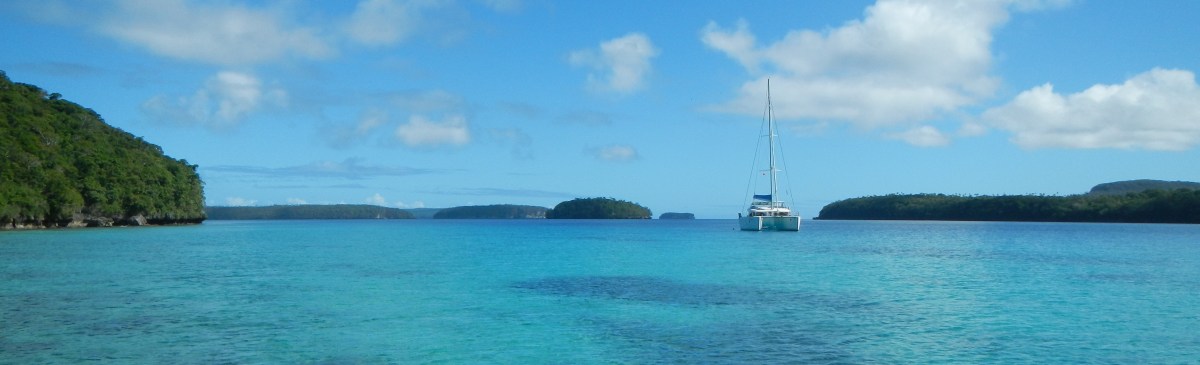
Exodus looks good back in Port Maurelle
Email to Family and Friends Dated May 17, 2016
Subject: Exodus – familiar places and new friends
When we pulled into Port Maurelle, a bay very near Neiafu in Tonga, we had six previous anchor waypoints to choose from on the chart plotter. Yeah, I guess we’ve been here a few times. As often as we find ourselves in new places, there’s still something somewhat comforting to be somewhere familiar. Last time we were here we were saying good bye to good friends but also making some new friends too, and I’m glad to say we are making new friends this time too. There was already a kid boat here in the bay when we arrived, they have two girls on board, and they are from California too. The boat is called Del Viento, and although this is the first time our paths have crossed, we know a lot of the same people (Lumbaz, Lady Carolina, Kenta Anae, to name just a few…) Tomorrow we will head into Neiafu and start organizing the haulout. Love and miss you all, -D.
Logbook – May 18, 2016 (Port Maurelle to Neiafu)
Passage Log Highlights
1312 Engines on
1330 P engine off
1428 P engine on
1447 Engines off
Daily Notes
T/Boys – try to find Del Viento prop piece that broke off. Depth ~50-70 ft. No luck!
Pizza & free “Margaritas” at Aquarium. Worst pizza ever.
Epic resistance game with Del Viento
Email to Family and Friends Dated May 19, 2016
Subject: Exodus – Neiafu
We are back in Neiafu, and after two years, very little has changed here. It’s all the same cast of characters on the daily VHF net broadcasting their long commercials for their local businesses. We enjoyed burgers at the Rooster Bar last night, and I was able to get a bottle of Marlin rum 25 Pa’anga. Best value rum in the world, I’m pretty sure. Good and cheap. We have good memories of this place from two years ago, like Johnny getting slapped by a whale, rum and whiskey tasting competitions, cart safaris with Nana and Papa, and bar hopping with Lady Carolina. One thing that’s different here is that they now have 3G internet, so we no longer have to sit in a restaurant suffering painfully slow wifi. I went running yesterday and my legs were rebelling against something called hills, which they hadn’t experienced in some time. Just like last time, the dogs were a bit aggressive, but I’ve gotten used to having to shout them down and show them who the alpha dog is. It looks like we will haul out Monday, and then we’ll probably head to Fiji pretty quick. I keep getting asked what we are going to do if/when Exodus doesn’t sell in time for us to be back for the boys to start school in the fall, and all I can say is… haven’t you gotten used to that we’re cruisers and we never know what we’re going to do until we do it? Haha. Love and miss you all, -D.
Logbook – May 20, 2016 (Neiafu to Hunga Lagoon)
Passage Log Highlights
1317 Engines on
1332 P engine off + genoa
1510 P engine on
1531 Engines off
Daily Notes
D – light provisioning
T/Alex – swap bullet.
Transit to Hunga w/ Del Viento
Hunga Haven moorings – visit w/ Barry
Potluck on Del Viento
From Neiafu out to Hunga LagoonHeading out to Hunga LagoonDel Viento coming through the entrance to HungaOn a mooring at Hunga HavenExodus and Del Viento moored at Hunga Haven http://hungahaven.com/
Logbook – May 21, 2016 (Hunga Haven)
Daily Notes
Visit from local man in small outrigger canoe – named Vaha
T/B – snorkel & spearfish w/ 3/4 of Del Viento
D – walk on beach + internet
Short visit to village – local ferry – someone yells, “go away!”
Resistance with Del Viento
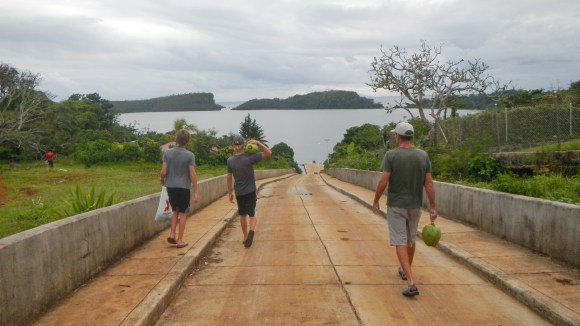
Leaving Hunga Village loaded down with watermelon and coconut
Logbook – May 22, 2016 (Hunga to Anchorage #4)
Passage Log Highlights
1615 Engines on
1634 SB engine off
1815 SB engine on
1826 Engines off #4 – Vaipua
Daily Notes
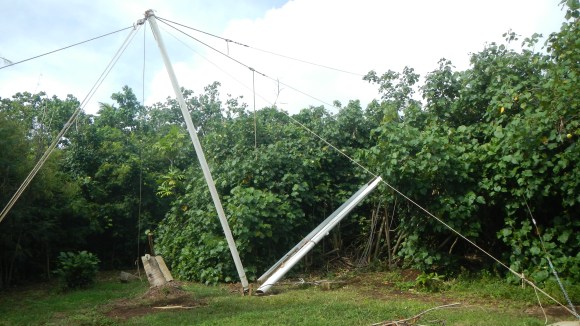
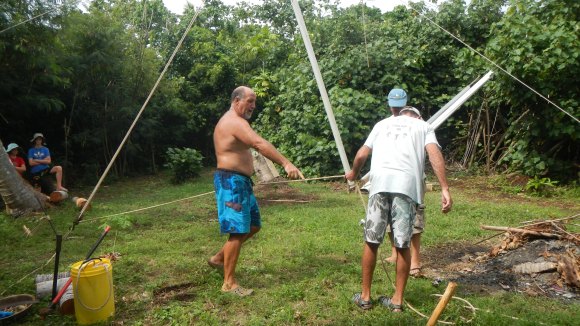
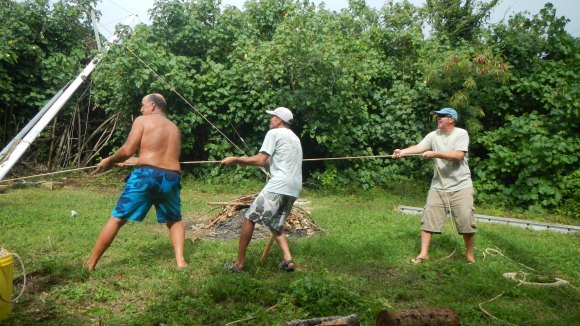
T/Boys help Barry hoist mast for VHF antenna
Boys + Del Viento girls go to Happy Appy (Fofoa Cabins) to play
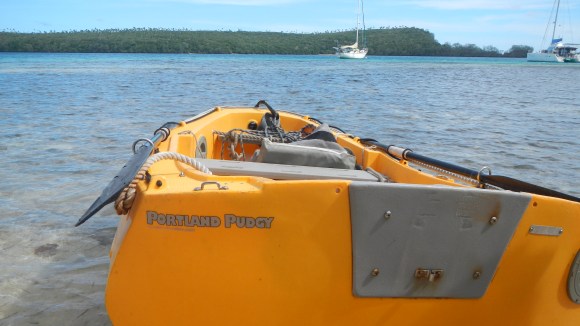
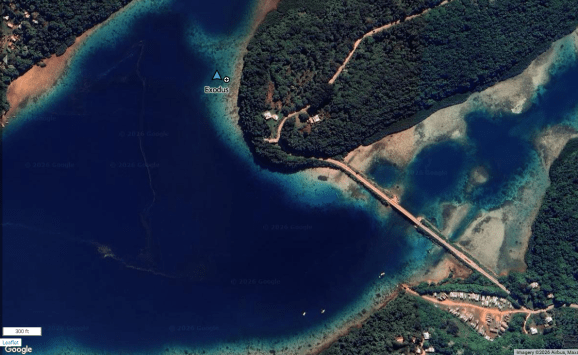
So, this might need some explanation. Hunga Haven has been using a salvaged sailboat mast on which to mount a VHF antenna. However, the mast was blown down during Cyclone Winston. Barry (owner of Hunga Haven) had it all rigged back up and ready to go, so the crews of Exodus and Del Viento helped to hoist the mast back up.So jealous that our dinghy isn’t a “Pudgy”From Hunga Lagoon up to Anchorage #4 (to be staged to enter the boat yard the next morning)At anchorage #4. You can see the boat yard at the bottom right of the satellite image
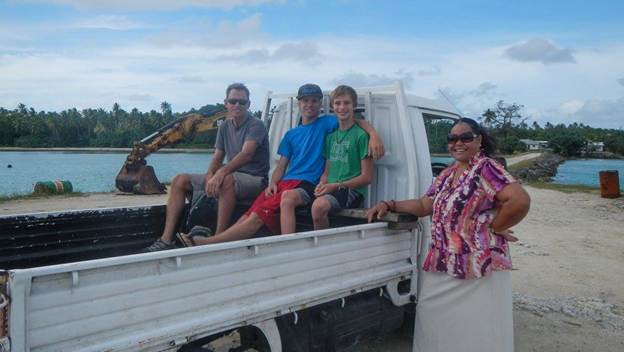
Almost immediately upon meeting the boys Sia offered for them to go to the high school for a day. I enthusiastically accepted, but to be honest, the boys were lukewarm to the idea at best. They were polite to Sia but complained to me when we were back on the boat, but I just couldn’t see missing this sort of opportunity, so I insisted and they were good sports.
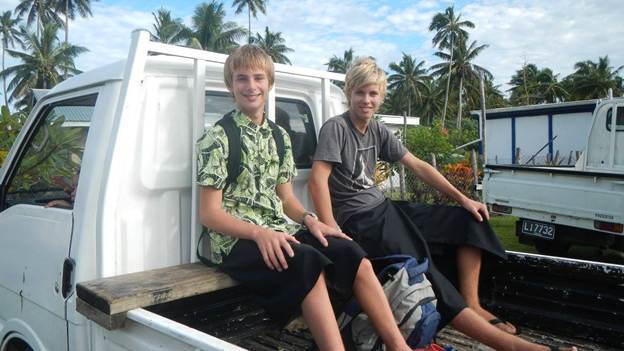
They had to get up early on school day, and although Sia had said she would arrange to get them uniforms to wear, I had them bring their sulus and bula shirts just in case. It was a good thing because the uniforms she had for them were comically the wrong sizes. Alex’s was so big he was swimming in it and Brenden’s was so small he almost couldn’t button it. Brenden really tried to make it work in order to make Sia happy, but in the end, she conceded that they didn’t fit and let them wear their own clothes.
After school, the consensus report from the boys was that it was “mostly boring.” They said the kids were all really nice and Brenden even listed off the names of several boys who were “his new friends.” They both enjoyed the math class best, probably because that’s something that easily crosses language barriers.
Alex had just finished his 8th grade curriculum, and since he would be starting 9th grade in the fall back in California, the pressure was off and we were just going to focus on writing and algebra. Brenden, on the other hand, still had a ways to go in his 7th grade program, so we were doing a speed version in order to get him ready for 8th. Basically, we were focusing on math, reading, and writing while just hitting the high points in science. (Spoiler alert: they both eventually transitioned back to traditional school quite seamlessly)
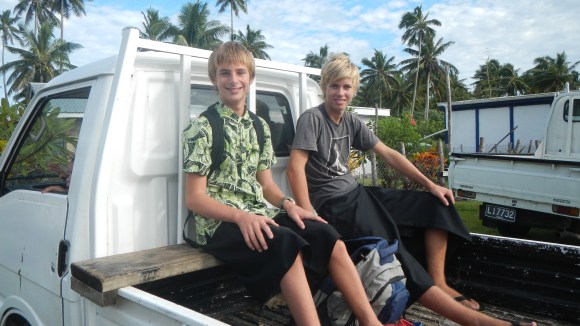
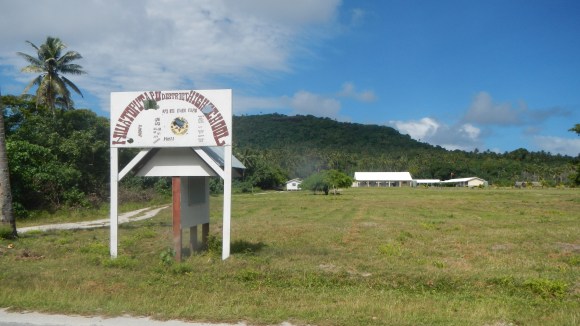
Headed to high school in Niuatoputapu
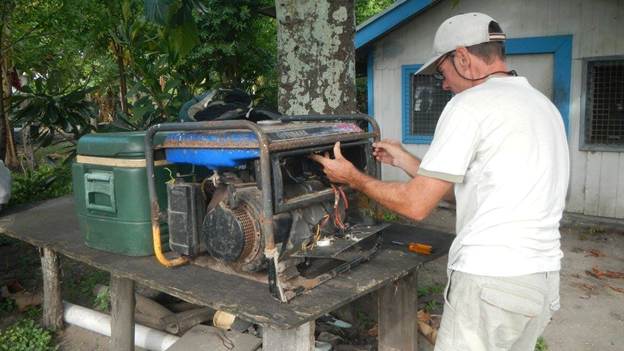
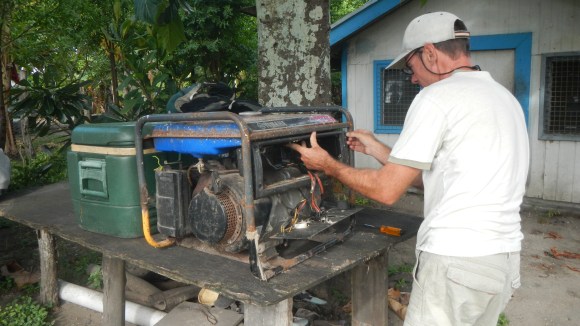
While the boys were in school, Tim tried to fix an old generator of Sia’s while I mostly impatiently hung around asking if he was done yet so we could go explore the island. We weren’t the first cruisers to have a go at fixing this generator. There was a note taped to it from the previous season explaining their unsuccessful troubleshooting. In the end Tim wasn’t able to fix the generator either, but he was able to help Siona, the policeman, with his radio antenna. Later we gave some fish to Siona, and he showed us gratitude with a few coconuts for drinking.
Tim trying to fix Sia’s generator
It became an evening routine for the boys to take fish to shore to share with Sia and others in the village. One evening during their trip to shore they were gone a little longer than usual because they were going to help one of the ladies move something heavy. When they got back to the wharf it was dark and the dinghy was gone.
According to Alex, he calmly scanned the horizon and there was just enough light to spot the dinghy almost even with Exodus, and in the meantime, Brenden was completely freaking out. They started yelling, but Tim and I were back on Exodus probably finishing our sundown drinks and didn’t hear them, so they jumped in the water and swam like mad. Once they were able to get our attention, after running around and telling me to get out of the way, Tim dropped a paddle board and then Brenden hopped on it and raced out to catch the dinghy. The lagoon is not very big, and I’m not exaggerating when I say that just a few more minutes and the dinghy would have been over the reef and out in open ocean. Both boys had jellyfish stings from their swim and then of course blame had to be established. I won’t go into the whole blame thing here, but apparently someone else in our crew ties as bad a bowline as I do.
Last time we cleared in to Tonga in Vava’u and cleared out of Tongatapu, so we had no experience with formalities at Niuatoputapu. They made it easy, though. On Monday morning we were contacted by radio and then officials from Health, Quarantine, Immigration, and Customs came to the boat to process us. They took care of all the paperwork, but we would need to go to shore to pay the fees. In the evening we received a radio call from Sia, welcoming us to the island as the first boat of the 2016 cruising season. The next day we went to shore and Sia gave us a ride to the offices to pay our fees and show us a bit of the island.
Later in the afternoon Tim and Brenden went spearfishing and brought back a big blue trevally and a coral trout. We took the coral trout to Sia and were happy to find they didn’t have ciguatera there, which meant all the fish, including the groupers and snappers, were edible. This was a nice change after Tuvalu, Kiribati, and Marshalls. So, Tim and Brenden went fishing almost every day and made a habit of coming back with dinghies full of fish to share with the village.
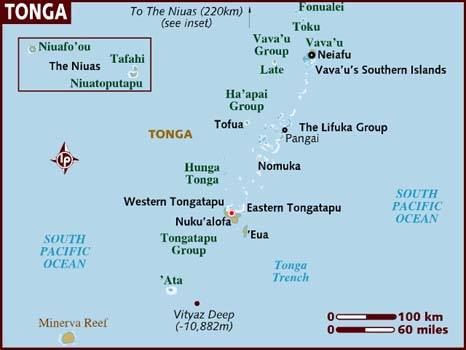
There are four island groups in Tonga, and last time we had made it to three of the four: Vava’u, Ha’apai, and Tongatapu. This time we checked off the fourth island group: The Niuas. Niuatoputapu is one of three islands in The Niuas, and it’s about 170 nmi north of the more well known Vava’u group. Fortunately, it’s a formal port of entry, so cruising yachts often make the stop here in between Samoa and the rest of Tonga.
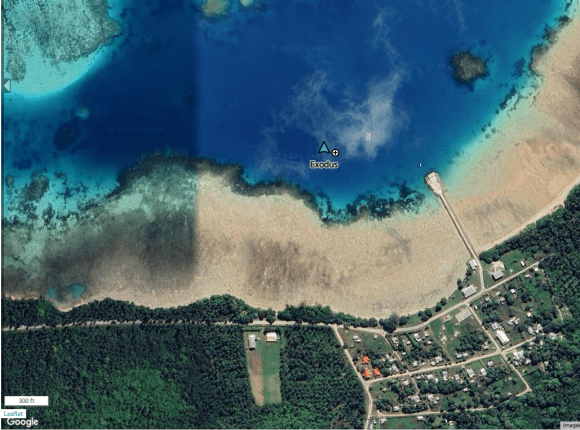
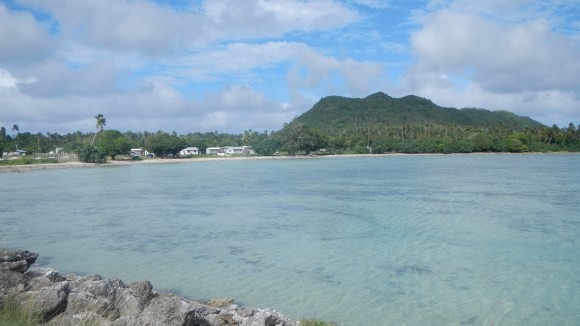
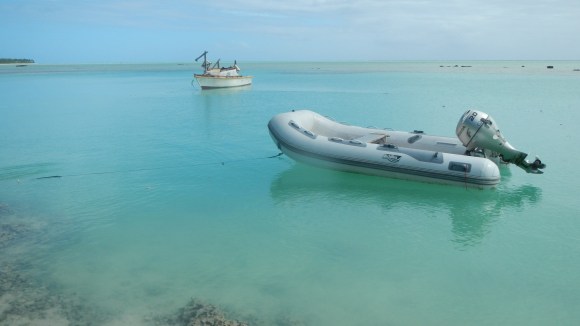
The lagoon at Niuatoputapu
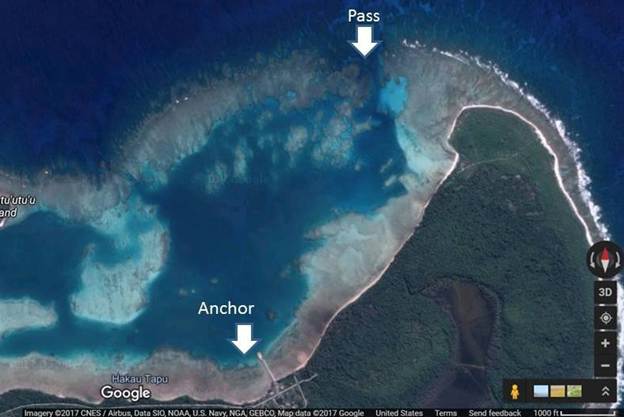
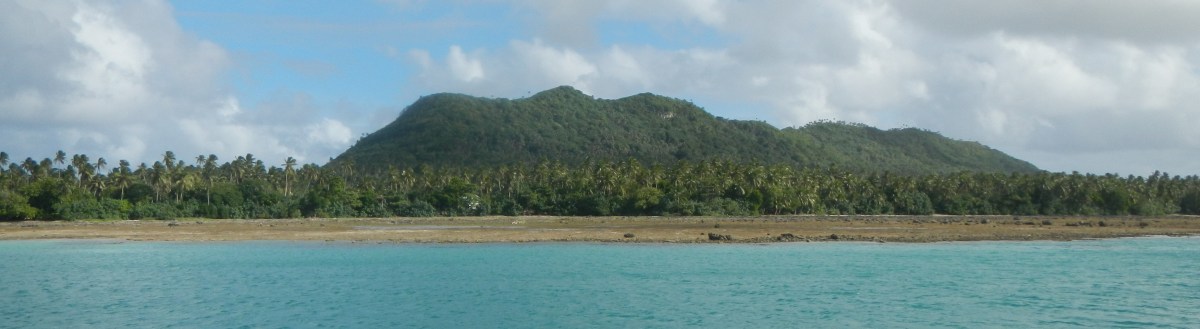
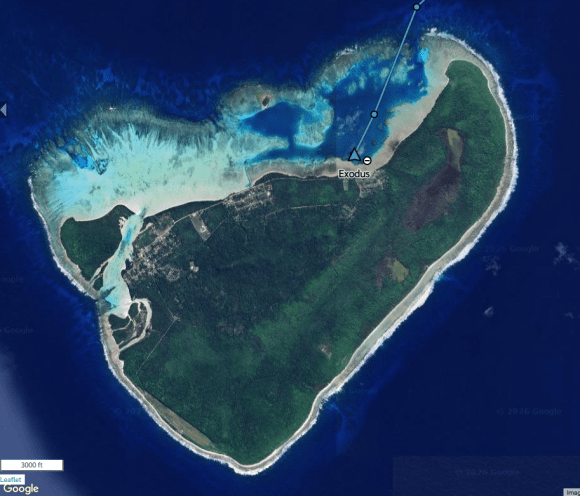
Niuatoputapu is a relatively low coral island with only a small lagoon on the northern side. The pass is navigable, but not entirely straightforward, so we were glad to have waypoints from cruisers who came before us and also satellite imagery for truth data against our chart plotter. We made it in no problem with good visibility from the mid-day sus. The shallowest depth measurement we took in the pass was 17 ft and we clocked a current of about 1 kt (although I didn’t write down if it was incoming or outgoing). The SE trades were blowing pretty steady the whole time we were there, so we had good protection and a nice flat lagoon to enjoy.
Anchor location 15 56.511 S, 173 46.096 W, 24 ft
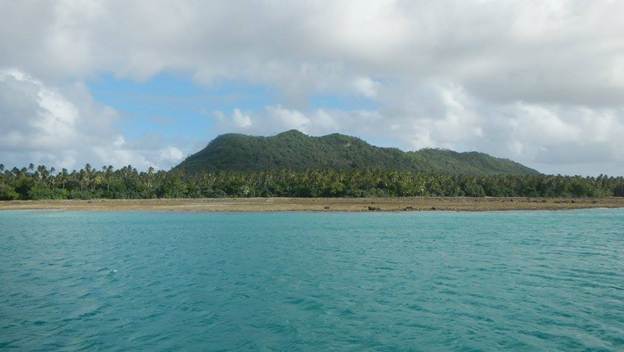
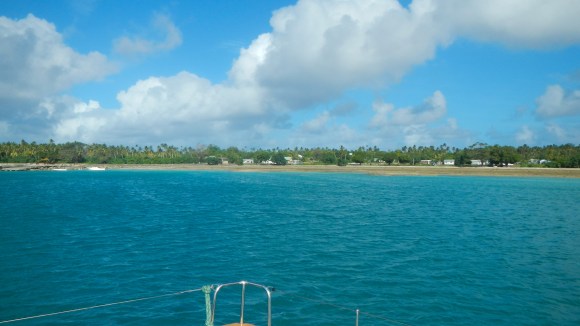
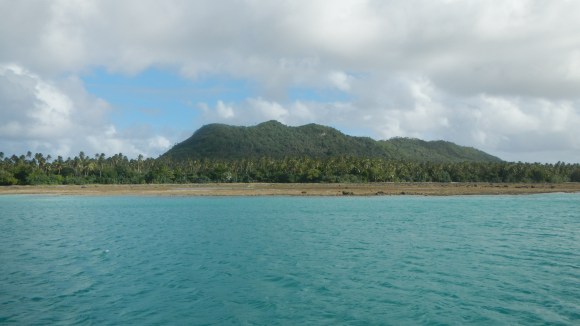
The view of the island from our anchorage
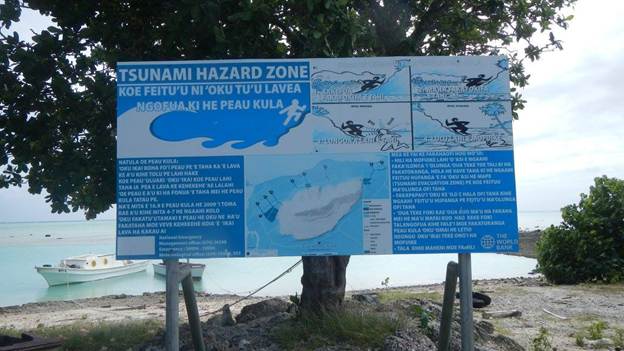
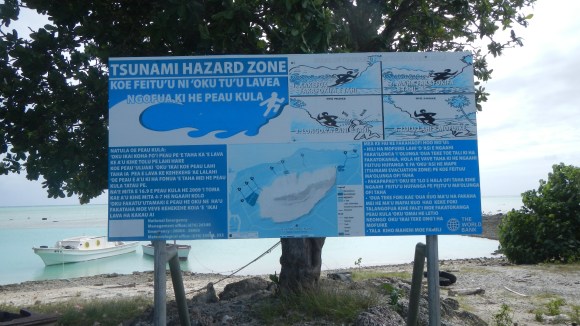
This beautiful island has some tragedy in its recent history. On 29 Sept 2009 there was an 8.1 magnitude earthquake that caused a devastating tsunami. Nine people on the island died as a result of the tsunami and 60% of the buildings were destroyed. There are three villages on the island, and needless to say the one that is at a higher elevation suffered the least amount of damage. They have rebuilt nicely, and you’d hardly know of the destruction now except for the small memorial and that they now have all these tsunami safety signs and clearly marked evacuation routes to higher ground.
Tsunami warning signs are posted at several locations on the island
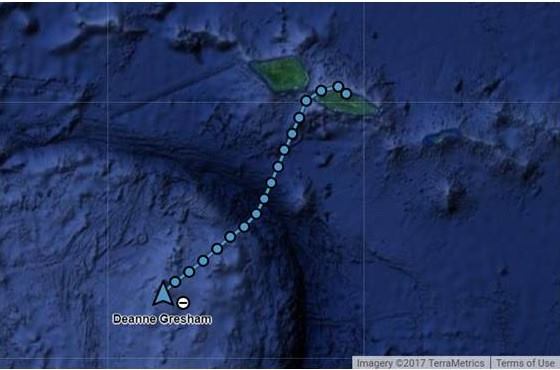
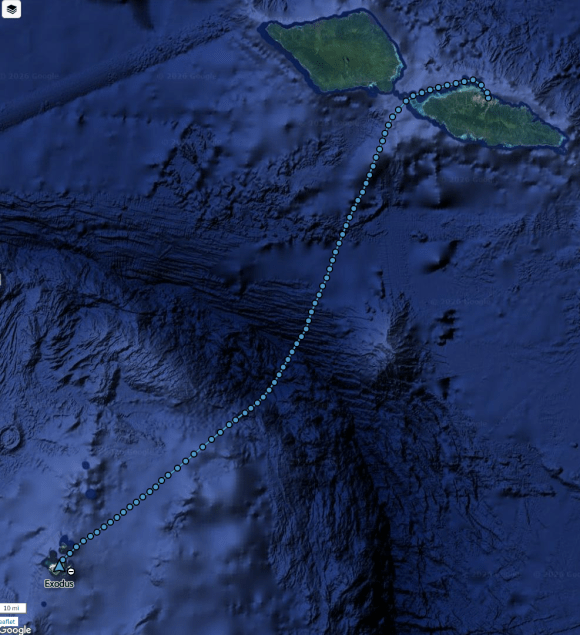
We departed Apia, Samoa in the morning on Saturday 7 May after staying up late and saying good-bye to our friends and cyclone buddies from s/v Nefertiti. It was a fast and bumpy one night passage upwind into a steady 15-16 kts of SE trades. It certainly wasn’t one of our worst passages, but it wasn’t one of our best either. The forecast predicted a slight unfavorable wind shift, so we pointed as high as we could until we were about halfway there and then fell off the wind a bit. The shift never really materialized, so the second half of the passage was slightly more comfortable than the first. You can see our track in the satellite image below. We arrived about noon on Sunday, and since it was Sunday, we laid low and didn’t go ashore and disturb anyone.
This is a small island in the northern most island group of Tonga. Two years ago, we skipped this group as we went directly from Pago Pago to Vava’u. So, we are happy to now have a second chance to visit this more remote area of Tonga. We stayed about a week, and we found the people to be somewhat shy (like elsewhere in Tonga) and the spearfishing to be good (no ciguatera!). We were the first cruising boat of the season for them, and we had the place to ourselves for the entire week.
Logbook – May 7, 2016 (Apia to Niuatoputapu)
Passage Log Highlights
0715 Engines on
0740 Depart
0752 P engine off
1320 P engine on
1337 Both engines off, main (1 reef) + genoa
1529 Same
Daily Notes
When raising main – fast up button of elec winch stuck
Beautiful starry sky
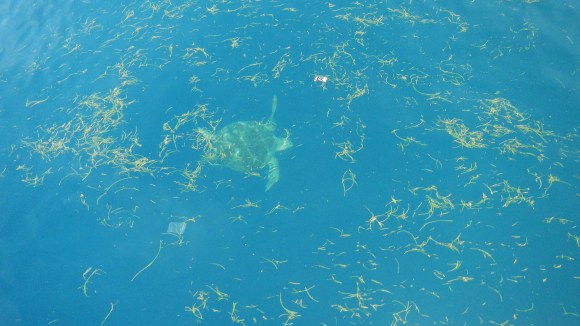
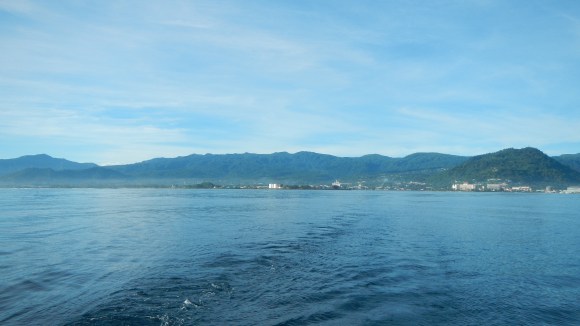
We surprised a group of sea turtles feeding, and they let us get quite close before frantically swimming down. Notice the trash in the water A last look back at Apia
Logbook – May 8, 2016 (Apia to Niuatoputapu)
Passage Log Highlights
0700 Main (1 reef) + genoa
1210 Engines on
1241 Engines off Niuatoputapu
Daily Notes
Pass shallowest 17 ft, max current 1 kt
Samoa to TongaThe island of NiuatoputapuAnchor location in the lagoon
Logbook – May 9, 2016 (Apia to Niuatoputapu)
Daily Notes
Contacted by radio – officials came to the boat – health, quarantine, immigration (customs)
T – fixed outboard
A/B hull cleaning
Evening call from Sia welcoming us
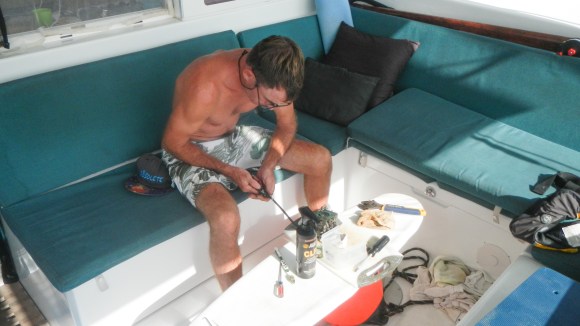
After a month of not being used, the outboard carbureator needed some attention.
Logbook – May 10, 2016 (Apia to Niuatoputapu)
Daily Notes
Sia gave us a ride to pay fees
T/B spearfish – 1x big blue trevally (we kept) + sm trevally + big coral trout – gave to Sia
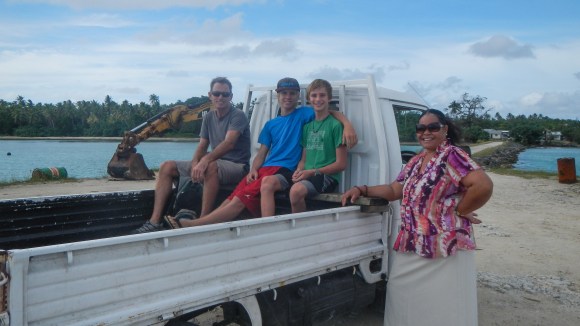
Getting ride into town from Sia
Logbook – May 11, 2016 (Apia to Niuatoputapu)
Daily Notes
T – helps policeman (Siona) w/ radio antenna info
T/B spearfish 2x coral trout + trevally – gave to Siona, he gave us cocos
Logbook – May 12, 2016 (Apia to Niuatoputapu)
Daily Notes
Boys to school, Brenden almost wore tiny shirt, “mostly boring” but Brenden “made some friends”
T – tried to fix generator
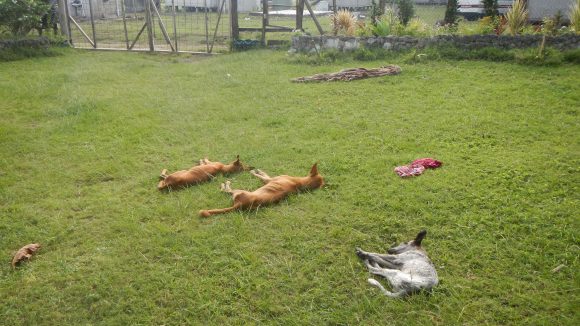
First day of school! The boys got to go to the local high school for a day.Trying to fix a generator on shoreDogs were everywhere. I asked Sia if they would chase me if I went running, and she assured me that they wouldn’t. Based on my previous experience, I didn’t believe her.
Logbook – May 13, 2016 (Apia to Niuatoputapu)
Daily Notes
D/T – dinghy/walk to customs/bakery
T/B spearfish
Boys to shore to give Sia fish, almost lost the dinghy
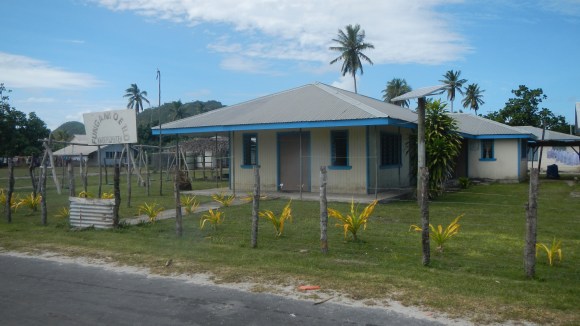
The parking lot wasn’t too crowdedThey had a devastating tsunami here in 2009 where many people died, so now they have all these tsunami safety signs and clearly marked evacuation routes to higher ground.This is the kindergarten, and if you look closely it’s surrounded by a barbed wire fence.The high school. The sign says “internet cafe” which Alex assured me they do not have.
Logbook – May 14, 2016 (Apia to Niuatoputapu)
Daily Notes
Ionane – man at fisheries helped with water – family lives on Mala in Vava’u
Traded alcohol (gift for priest) + fish for bananas, papaya, and water
Email Sent to Family and Friends Dated may 14, 2016
Subject: Exodus – Niuatoputapu
I’ve been having trouble connecting to the sailmail stations, but yesterday it seemed to work well, so hopefully it was just an issue with propagation and had nothing to do with our equipment. It’s had to believe we’ve been here almost a week. We arrived here last Sunday after a fast upwind sail from Samoa. Niuatoputapu is one of the northernmost islands in Tonga, and two years ago we bypassed it and went straight from Pago Pago to Vava’u, so we are happy to have a second chance. It’s a small volcanic island with reef and lagoon on one side of the island, the leeward side, so the anchorage has been nice and flat with a gusty trade wind breeze blowing. The spearfishing has been very good, especially since there’s no ciguatera here, so all of the fish, including the groupers and snappers, are edible. So, Tim and Brenden have been coming back with dinghies full of fish and sharing a lot with the people in the village. Alex finished 8th grade, and his reward was to go to a Tongan high school for a day. The boys went to school, and overall said it was pretty boring, but both enjoyed the math class best because that’s something that easily crosses language barriers. They said the kids were nice, Brenden came home telling us about all the friends he made, of course. I don’t have a ninth grade curriculum, since Alex will be starting ninth grade back in CA in the fall, so in the meantime we are just going to work on Alegebra and writing. Brenden is still getting through the speed version of 7th grade, in fact he’s almost done with math and grammar and then we’ll keep working on reading and writing while hitting the high points in science. We will likely leave here and head to Vava’u tomorrow, and our main task there will be hauling Exodus out of the water, so there will be a lot of work to do and none of us is looking forward to that. Love and miss you all, -D.
Going to Tonga again was a mixture of new experiences and reliving old memories. We made it to Niuatoputapu this time around and also spent time in our old stomping grounds of Vava’u. The main purpose for our re-visit to Tonga was to make use of the new haul-out facility and boatyard, but that didn’t keep us from also enjoying Port Maurelle and Hunga Lagoon the second time around. Last time we were in Vava’u we said good-bye to our long-time cruising buds on Lady Carolina, while this time we struck up a new friendship with the family from Del Viento.
We had previously spent three months in Tonga but that time we missed the small island of Niuatoputapu, so that’s where we’ll be headed next. Then on to our old stomping frounds of Vava’u for some fun with a new kid boat and a haul-out for Exodus.

 Gresham Family Exodus