Email to Family and Friends Dated September 21, 2016
Subject: Exodus – Status
Ahoy friends and family,
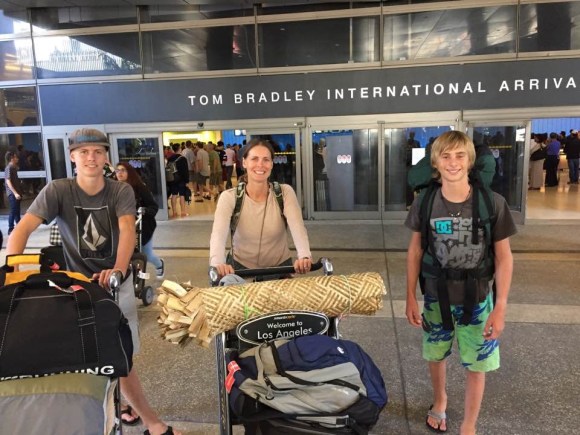
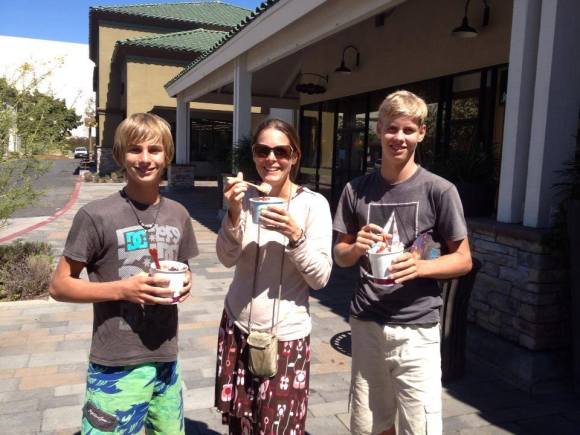
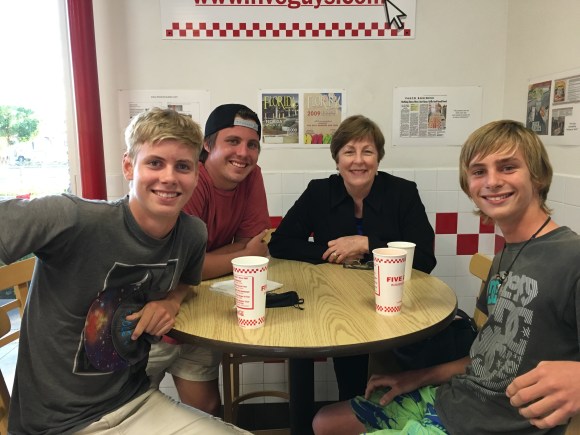
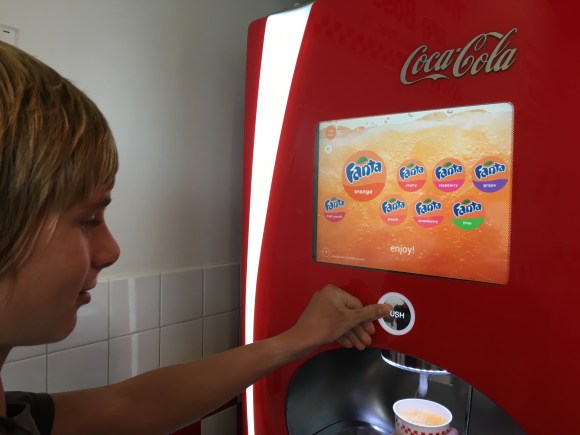
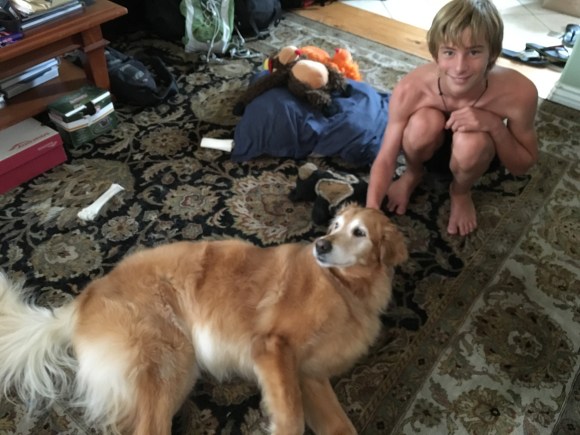
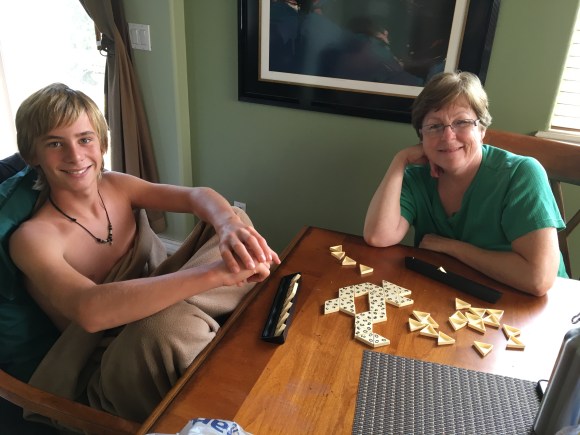
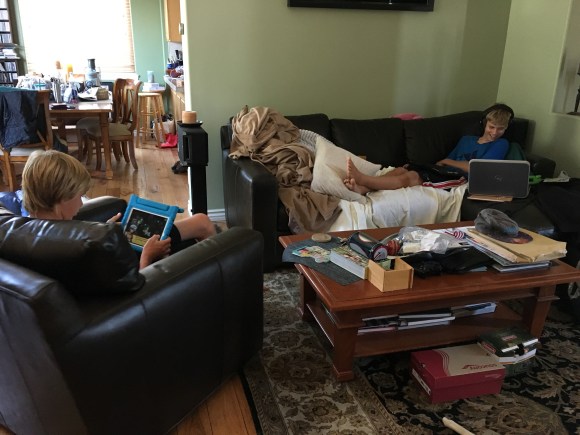
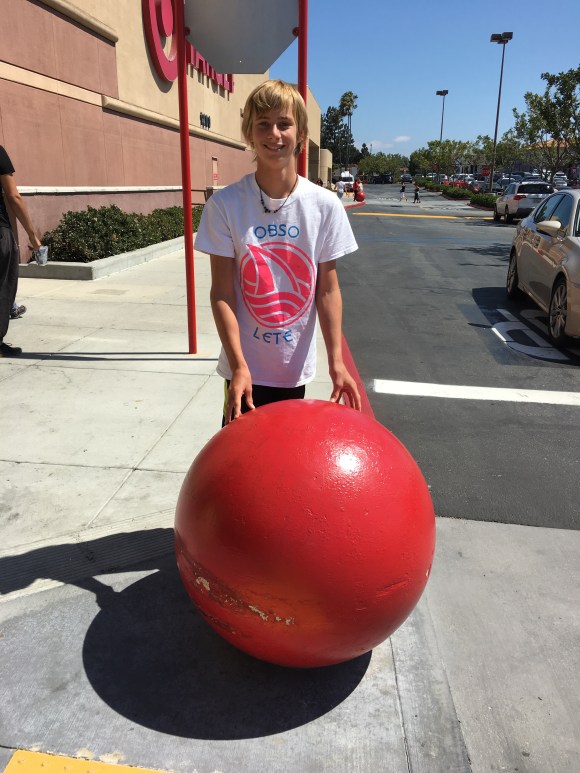
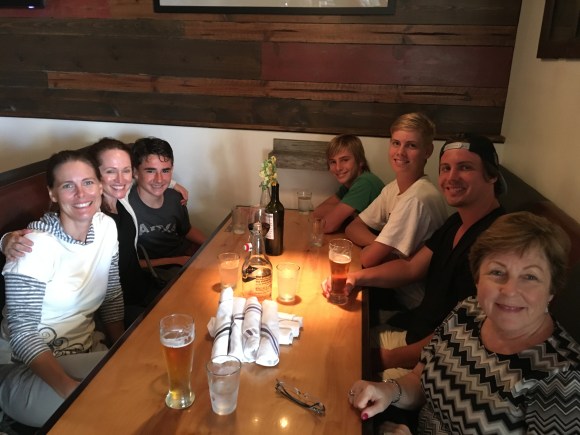
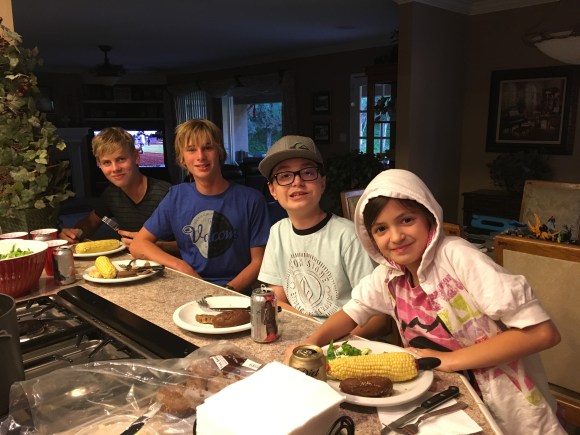
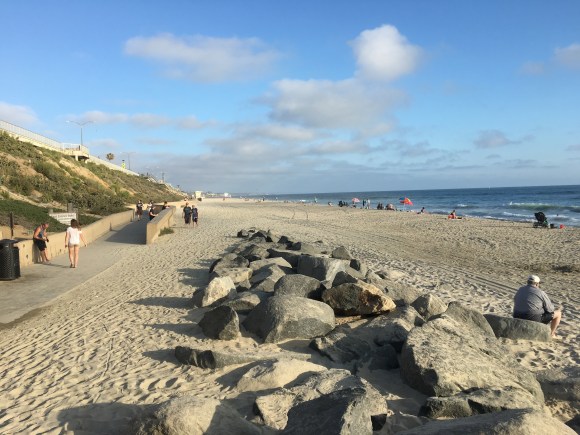
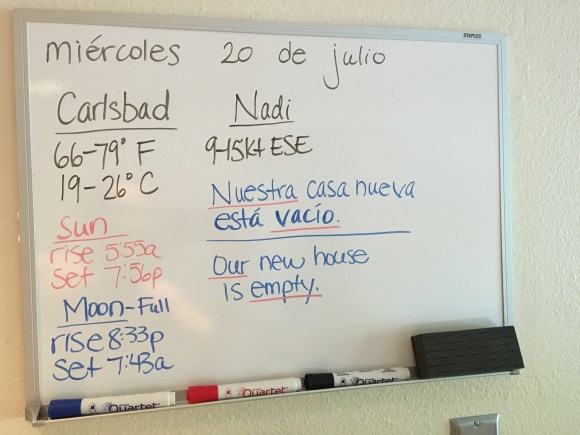
After two and a half months back in California, I thought I’d send out a brief status of what’s going on with the crew of Exodus. We are settled in Carlsbad, CA in a great school district, and we live only about 2 miles from the beach. Not as close as I had wanted, but until our cash flow is positive again (i.e., I get a job) rental price was a huge factor in deciding where to live. We found a 2 bedroom condo, and it might seem small by most people’s standards, but it’s an absolute mansion to us. The boys and I have slowly gotten used to all the creature comforts we had lived without for so long like the availability of any type of food at any time, high pressure hot water showers at any time, and of course unlimited internet 24/7, but there are still small things we marvel at every day, like how fast water boils in an electric kettle and how there are no coconuts on any of the palm trees.
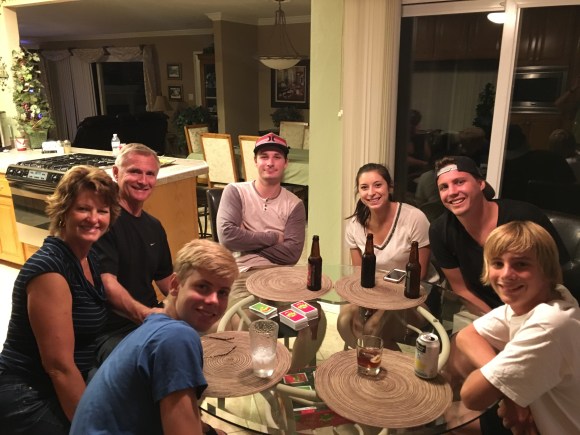
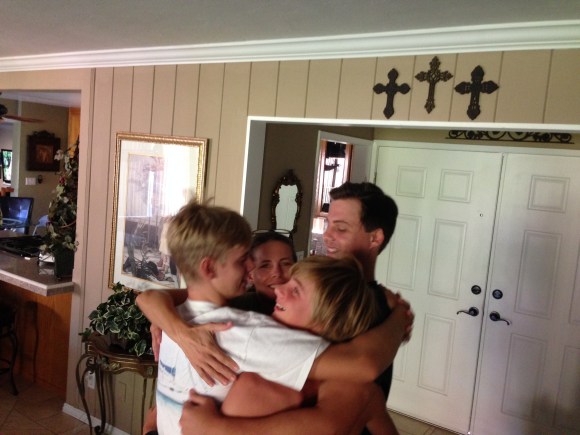
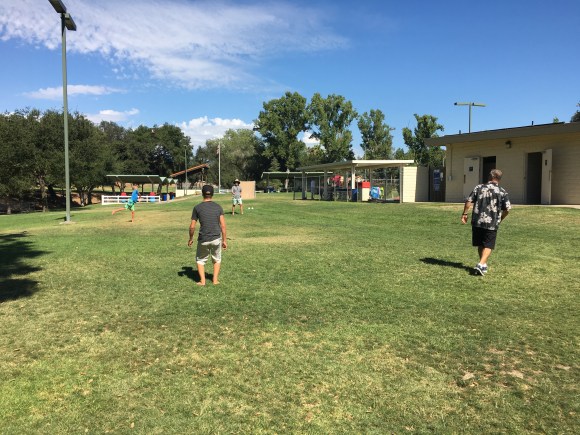
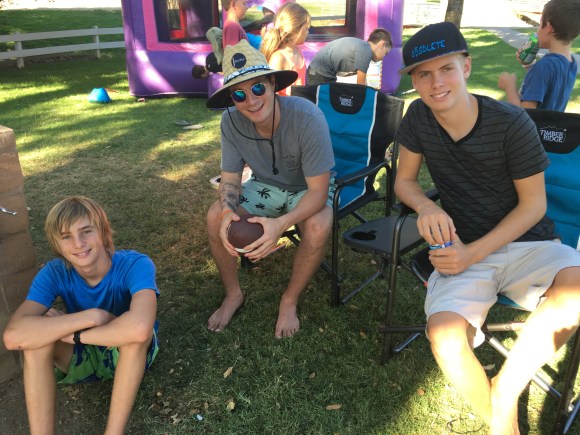
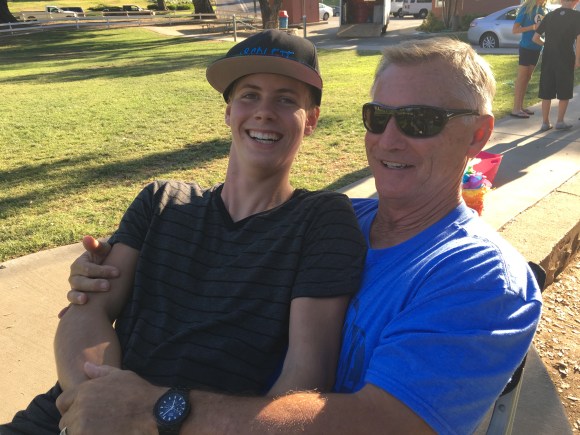
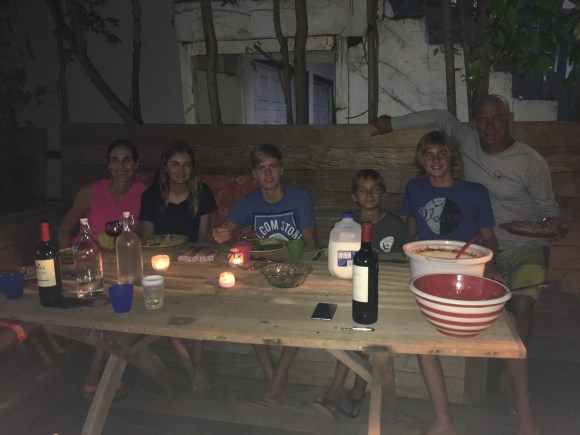
Exodus still hasn’t sold and we keep dropping the price. Eventually we’ll hit the sweet spot, but more and more we are realizing that we need to find a US buyer… With the strength of the USD right now Exodus is high for the NZ/AUS market. However, after two months apart we had had enough, and Tim flew home from Fiji to be with us for 3 weeks here in California. He was here for the boys’ first day of school, Brenden’s first soccer game, and Alex’s first cross country meet. It was nice to be a family again, but now he’s back in Fiji and will hopefully come home to us again soon.
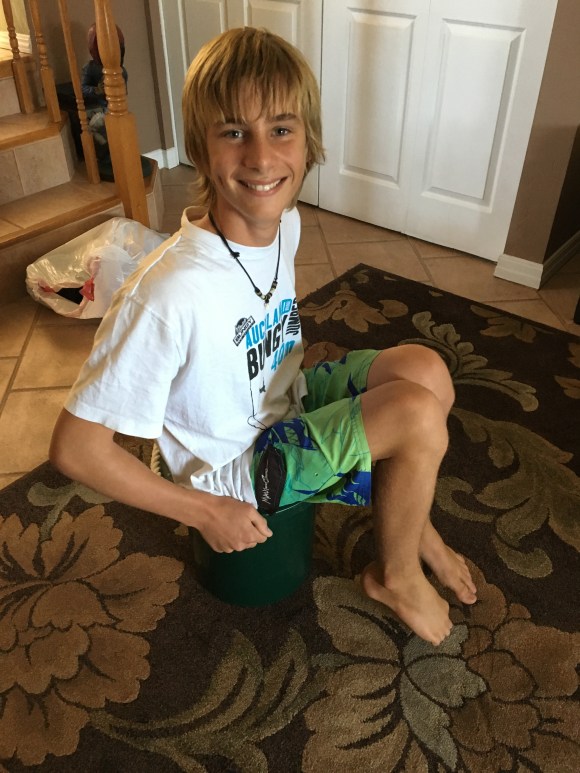
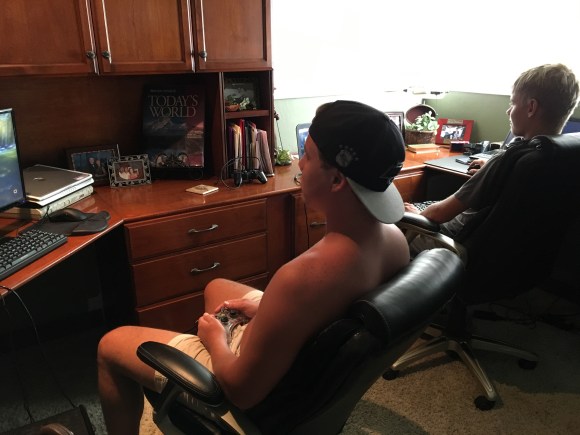
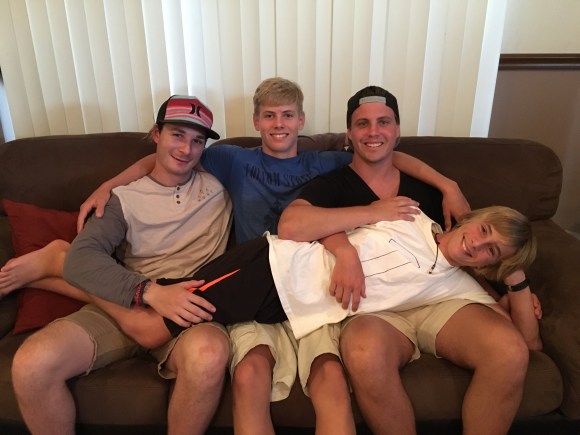
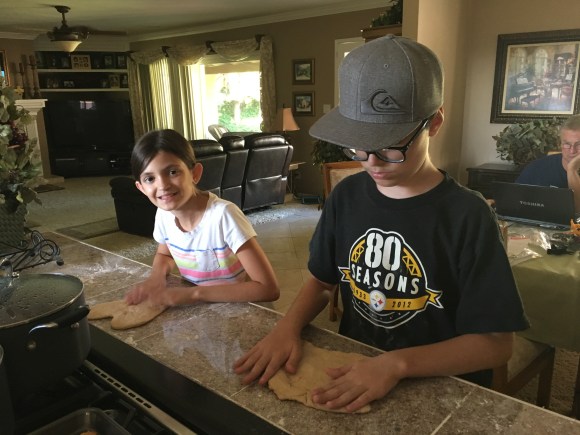
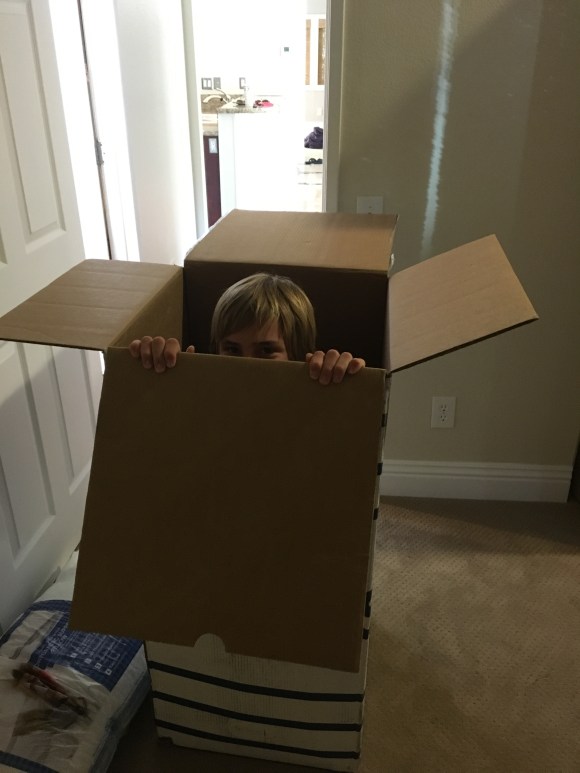
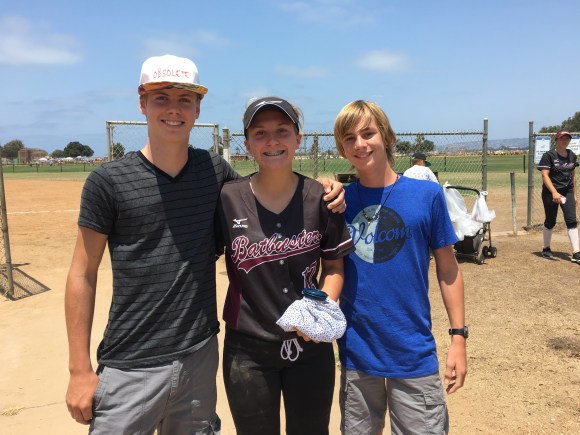
The boys are doing great in school, they each have a circle of friends, and so far their classes seem pretty easy for them. Although, Brenden is a bit frustrated by how much of his work involves the computer, because, as he puts it, he is “technology challenged.” Meanwhile, Alex is taking intro to computer science and has basically become “tech support” for the other kids in his class. They are both taking Spanish, and Brenden’s teacher is actually from Mexico, and she has a strong accent. Brenden says the other kids have trouble understanding her even when she’s speaking English, but he can understand her just fine, no problem. He speculates that, “I guess I’m just used to all different kinds of English.” They have both already experienced getting zeros on assignments because they just aren’t used to the school routine… Alex forgot to put his name on something, and Brenden was caught “cheating” because he was sharing his English work with another student to “help him get ideas.” He said he didn’t know it was “copying.” I guess these are just some of the things homeschool kids just don’t have to worry about. They are both enjoying their sports, but I am not quite used to how busy they are making us!
Right now it’s not a problem because I’m still a stay home mom, but it’s going to get really hectic when I go back to work. And speaking of jobs, I finally got an offer to go back to my old company, which has a facility down here in Rancho Bernardo. It’s not official yet, we still need to negotiate salary and other details, but I interviewed and they seem to want me for a test management position. I won’t start for a few weeks, so I will really savor the last of my time off. After we bled money for the first few weeks our spending has stabilized and I’m trying not to rip the stitches off, but a common phrase right now seems to be, “well, mom has a job now…” when we want to justify some sort of purchase.
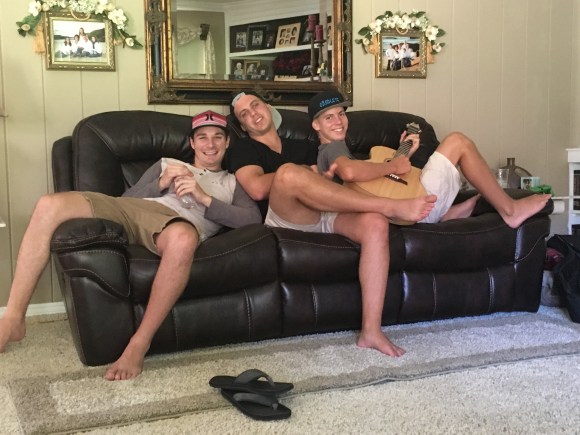
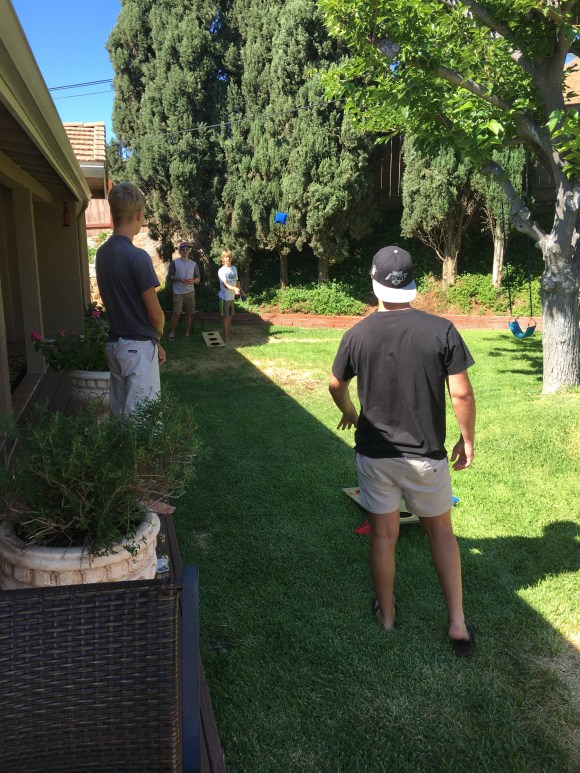
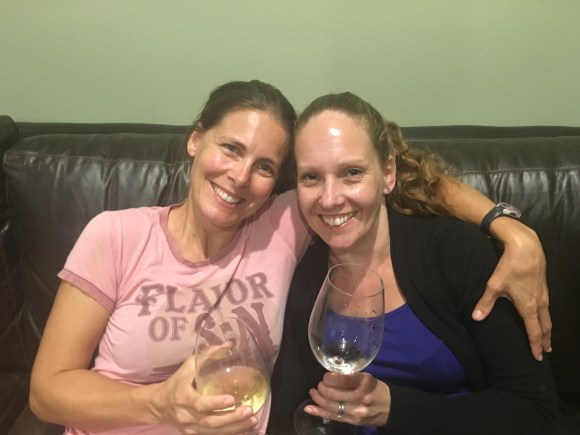
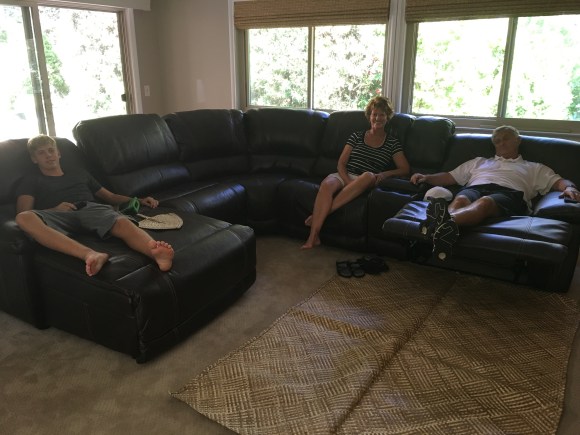
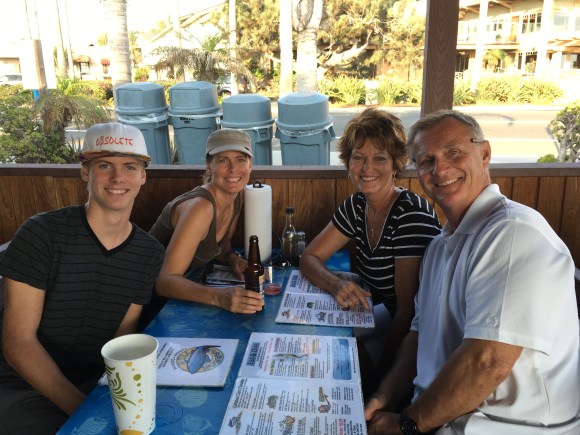
Overall, I’d say we are really enjoying being back. Of course, there are lots of things we miss about our life on Exodus, and I keep waiting for some sort of real depression to set in as I mourn for that lost lifestyle, but so far it hasn’t happened yet. Southern California is a pretty nice place and seeing friends and family again has been really special. The biggest negative about being back is the disgusting consumer culture we seem to live in, but my observations about that just might be the topic of a future blog post, so I won’t bore you with it here.
Well, that’s it for now, and to those of you I get to see more often now, we love you and it’s great to be back. To those of you who are still far away…
Love and miss you all,
-D.

















 Gresham Family Exodus